

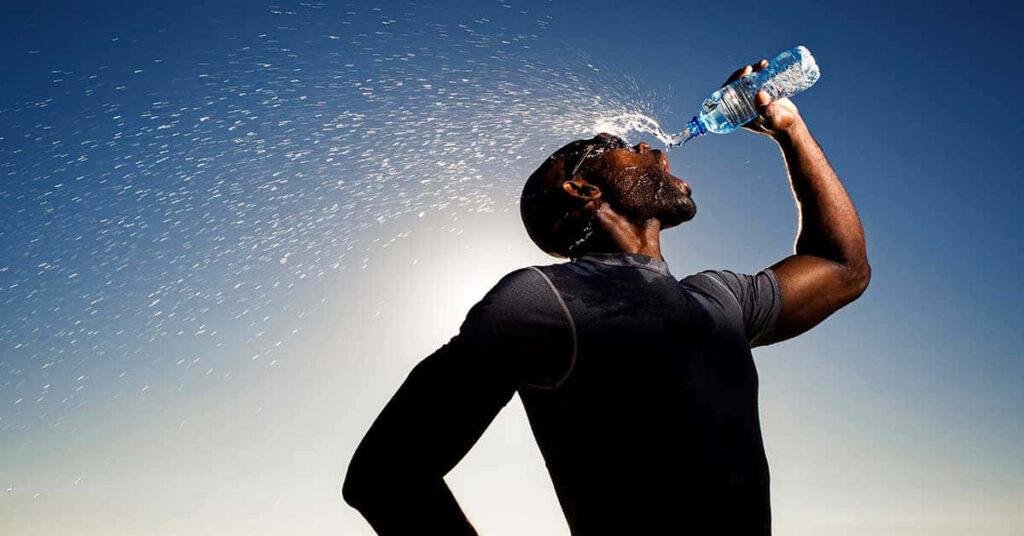
Does Dehydration Cause Muscle Cramps?
Muscle cramps are sudden, painful, and involuntary contractions. They tighten the affected muscle, but usually pass on their own. Gentle stretching often brings quick relief.
Researchers do not fully understand why cramps happen. However, two common contributors appear to be fluid loss and electrolyte imbalance. Other factors, such as fatigue and poor conditioning, may also increase the risk.
This article explains how dehydration may trigger cramps, other possible causes, and ways to prevent them.
Can Dehydration Lead to Muscle Cramps?
The American Academy of Orthopaedic Surgeons (AAOS) notes that people exercising in hot weather are more likely to cramp. The reason is simple: sweating depletes fluids, salts, and electrolytes, which regulate muscle function. Losing too much of these substances can lead to spasms.
Even so, studies show mixed results. For example, a 2019 review found that dehydration alone may not directly cause cramps. Instead, shifts in water and sodium balance may raise the risk.
Situations that increase dehydration risk include:
- heavy sweating
- high-intensity exercise
- prolonged activity in hot or humid weather
Electrolyte imbalance may also occur if sodium, potassium, calcium, or magnesium levels drop too low or rise too high. These minerals are vital for muscle contraction, nerve signals, and fluid balance.
Interestingly, drinking large amounts of plain water without electrolytes can disrupt balance. As a result, cramping may become more likely.
Other Causes of Muscle Cramps
Although dehydration plays a role, other factors often contribute:
- Muscle fatigue or lack of stretching → disrupts contraction-relaxation signals.
- Poor conditioning → weak or stiff muscles tire more quickly.
- Overexertion → reduces oxygen supply and allows waste products to build up.
In fact, a 2022 study of nearly 100 marathon runners found no strong link between cramps and dehydration. Instead, those with cramps showed more muscle damage, suggesting strength training may reduce risk.
Managing Cramps Linked to Dehydration
If a cramp strikes during activity:
- Stop and rest.
- Stretch and gently massage the muscle.
- Apply heat to relax tightness.
- Rehydrate with fluids.
- Replace electrolytes with sports drinks, bananas, yogurt, spinach, or oral rehydration solutions.
Preventing Muscle Cramps
You can lower risk with simple habits:
- Stretch muscles that cramp often, such as calves, hamstrings, and quadriceps.
- Warm up before exercise and cool down afterward.
- Avoid pushing past your limits.
- Stay hydrated, especially in hot weather.
- Support electrolyte balance through foods and drinks rich in minerals.
Risk Factors
Certain groups face higher risk, including:
- infants and children
- adults over 65
- endurance athletes
- older adults doing strenuous work
Other risks include obesity, illness, or medications such as diuretics, statins, and decongestants.
Common Questions
Is water or electrolytes better?
Water maintains hydration. However, during heavy sweating, electrolytes are crucial. Too much plain water can dilute sodium and trigger cramps.
When should I hydrate if I feel a cramp starting?
Drink fluids immediately. Quick action can keep the cramp from getting worse.
Why do cramps happen at night?
Night cramps may relate to dehydration, pregnancy, aging, medications, or conditions like circulation issues.
How much should I drink during exercise?
It depends on sweat rate and temperature. A general rule is 8–12 ounces every 15 minutes in the heat. Avoid overhydration, since more than 1.5 liters per hour can dangerously lower sodium.
When to See a Doctor
Seek medical advice if cramps are:
- severe or recurring
- resistant to stretching and hydration
- happening without a clear trigger
Persistent cramps may point to circulation, hormone, nerve, or metabolic issues. Conditions such as thyroid disease, arterial hardening, spinal problems, or liver disease may also play a role.
Summary
Muscle cramps often result from dehydration, electrolyte shifts, or fatigue. While usually harmless, they are painful and disruptive. Staying hydrated, replacing electrolytes, and training smartly are the best preventive steps. Anyone with frequent or severe cramps should consult a healthcare provider.
Resources:
https://www.cnbc.com/
knowledgenexuses.com