

Mobility and flexibility are often confused, but they are not the same. Both are important for movement, performance, and long-term health. Yet, they affect the body in different ways. Understanding these differences can help you move better, prevent injuries, and stay active as you age.
What Is Mobility?
Mobility is the ability of a joint to move freely and with control. It combines range of motion, strength, balance, and coordination. In simple terms, mobility is about how well you can move, not just how far.
For example, good mobility lets you:
- Circle your arms without shoulder pain.
- Walk upstairs without stiffness in the knees.
- Swing a tennis racquet smoothly.
Without mobility, even small movements become harder. Over time, this may lead to discomfort, injuries, or even a loss of independence.
What Is Flexibility?
Flexibility is the ability of your muscles and tissues to stretch. It does not involve strength or control. Instead, it is about how much your muscles can lengthen when you move them.
For example:
- Touching your toes tests the flexibility of your hamstrings.
- Reaching overhead for a glass shows flexibility in your shoulders.
- Stretching your chest and back improves posture.
Flexibility supports healthy joints, circulation, and recovery. It also keeps muscles from becoming too tight, which can restrict movement.
Mobility vs. Flexibility at a Glance
Although they are connected, mobility and flexibility are not identical.
| Mobility | Flexibility |
|---|---|
| Involves joints and dynamic movement | Involves muscles and static stretching |
| Relies on strength, control, and balance | Relies on tissue length and elasticity |
| Improves coordination, movement, and daily function | Improves posture, circulation, and range of motion |
In short, flexibility is one part of mobility. You can have flexible muscles but still struggle to move well if your joints lack control. On the other hand, good mobility usually requires at least some flexibility.
Why Both Matter
Mobility and flexibility work best together. Training one often improves the other.
Benefits of mobility training include:
- Better balance and coordination.
- Stronger performance in sports or exercise.
- Less stiffness in joints.
- Lower risk of falls as you age.
Benefits of flexibility training include:
- Improved posture and alignment.
- Increased circulation and faster recovery.
- A wider range of motion in daily activities.
- Reduced risk of injury.
Therefore, adding both to your routine can help you move freely, recover faster, and feel more comfortable overall.
How to Test Your Mobility and Flexibility
Testing doesn’t need special equipment. In fact, a few simple moves can show you where you stand.
- Toe Touch Test – Measures hamstring and hip flexibility.
- Shoulder Reach Test – Tests if your shoulders and chest can move freely.
- Sit-to-Stand Test – Shows lower-body mobility and strength.
- Shoulder Wall Test – Assesses shoulder flexibility and control.
If these movements feel painful or limited, it may be time to train both mobility and flexibility more consistently.
How to Improve Mobility and Flexibility
Mobility Exercises
Mobility drills are dynamic. They move joints through their full range while building control. For example:
- Thread the Needle Pose – Improves shoulder and spine movement.
- Half-Kneeling Dorsiflexion Stretch – Loosens tight ankles.
- Neck Extension with a Towel – Builds better neck range.
Flexibility Exercises
Flexibility training is usually static. You hold a stretch to lengthen the muscles. For example:
- Hamstring Stretch – Increases range in the back of the legs.
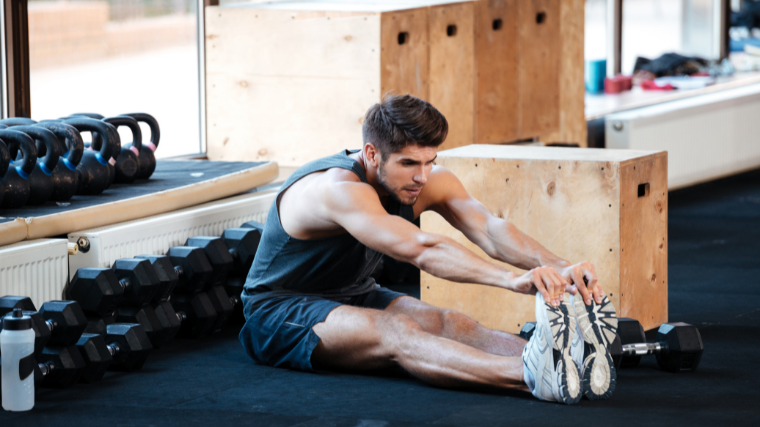
- Seated Forward Fold – Lengthens the spine and hamstrings.
- Overhead Shoulder Stretch – Improves posture and shoulder reach.
The key is consistency. Even 5–10 minutes a day can make a difference. Over time, both mobility and flexibility improve, making daily life easier and workouts safer.
Mobility and flexibility are related but distinct. Flexibility allows your muscles to stretch, while mobility lets your joints move with strength and control. Both are essential for pain-free movement, athletic performance, and healthy aging.
The good news is that you don’t have to choose one over the other. By training both—through simple daily stretches and dynamic drills—you can unlock a body that moves with freedom, strength, and ease.
Resources:
https://www.who.int/
https://jamanetwork.com/
https://knowledgenexuses.com/