
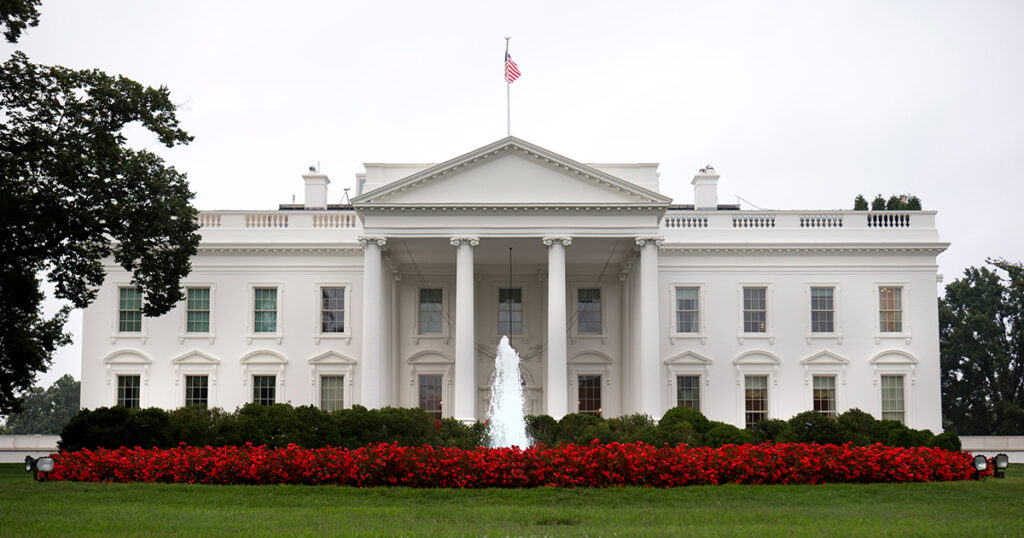
Washington, D.C. — The Smithsonian Institution faces new pressure from the Trump administration. Officials have demanded exhibition records and internal communications as part of a federal review. The first deadline for handing over material is this Friday.
The review follows an executive order. It directs aides to check museum programming for what the White House calls “woke ideology” and anti-American themes. Officials argue that taxpayer funding — about two-thirds of the Smithsonian’s budget — justifies this oversight.
However, Smithsonian leaders stress that the 200-year-old institution is a public-private trust, not a federal agency.
Balancing Autonomy and Political Pressure
Secretary Lonnie Bunch III is leading the response. He is trying to cooperate with the review while also protecting museum independence. At the same time, sources say he wants to prevent relations with the White House from breaking down.
The Board of Regents has encouraged Bunch to hold firm. Still, the pressure is already having an effect. For example, artists and curators report canceled events, altered programming, and new caution when preparing exhibitions.
Exhibitions Under the Microscope
One flashpoint is the National Museum of African American History and Culture. Trump has often criticized its focus on slavery and racial injustice. As a result, aides are asking for detailed documentation of exhibition plans.
Another example is the exhibition The Shape of Power. Organizers changed its symposium from public to invitation-only. They said the change would protect participants and avoid unwanted attention. However, some artists accused the Smithsonian of silencing voices.
The Smithsonian responded differently. Leaders said the symposium was always meant as a scholarly program. They added that some participants refused to be recorded.
Changes and Controversies
Since Trump’s second term began, several disputes have surfaced:
- The Smithsonian closed its Office of Diversity after an executive order threatened DEI investigations.
- In March, Trump directed Vice President JD Vance to remove “improper ideology” from federally funded cultural groups.
- Trump claimed he dismissed the National Portrait Gallery director. The Smithsonian denied it, yet the director resigned weeks later.
- Painter Amy Sherald canceled an exhibition after disagreements over how to frame one of her works.
- The National Museum of American History briefly removed mention of Trump’s impeachments. After criticism, curators reinstalled it with edits.
- Meanwhile, artists say their work was cut from readings and performances due to political sensitivities.
Shaping Future Leadership
The Smithsonian has rejected direct White House control. Nevertheless, Trump may still influence the board’s future makeup. Six citizen regents will see their terms expire in 2026. Because regents are confirmed by Congress and signed into law by the president, Trump could reshape the board.
The board now includes lawmakers, public representatives, Vice President Vance, and Chief Justice John Roberts, who serves as chancellor. Several Democrats, however, back Bunch. Senators Gary Peters and Catherine Cortez Masto even urged him to resist pressure and keep Congress informed.
Trump’s Mixed Signals
Trump’s tone toward the Smithsonian has shifted. In 2017, he praised the African American museum and its focus on figures like Muhammad Ali and Ben Carson. In contrast, he now accuses Smithsonian museums of focusing too much on flaws and not enough on achievements.
Despite this, Trump met with Bunch in August. He later called the lunch “productive” and hinted at “big changes” ahead.
Looking Ahead
The Smithsonian has not announced changes to its programming. Still, the White House continues to set deadlines, including demands for revisions by December. It remains unclear what leverage the administration could use beyond political pressure.
For now, Bunch and his team are trying to defend the institution’s credibility. At the same time, they are preparing for America’s 250th anniversary in 2026 — an event that will draw global attention and, very likely, more political debate.
Resources:
https://www.nytimes.com/
knowledgenexuses.com