
From “Ozempic body” to “Mounjaro face,” rapid weight loss whether through medication or extreme dieting can come with an unintended side effect: muscle loss. And while the number on the scale may drop quickly, it doesn’t always mean you’ll look or feel stronger, fitter, or healthier.
In fact, whether you’re using weight-loss medication, cutting calories, or increasing activity, you risk losing both fat and muscle. Experts estimate that 20–40% of total weight lost can come from muscle, depending on how you approach your diet and exercise.
But here’s the good news: with the right strategies, you can maintain most (or even all) of your muscle mass while you lose fat.
Why Muscle Loss Happens During Weight Loss
Any time you create a calorie deficit—by eating less than you burn your body turns to stored energy for fuel. Ideally, it burns fat. But if you’re not careful, your body may also break down muscle tissue to make up the shortfall.
This becomes a concern for long-term health. As muscle is metabolically active, it burns more calories at rest than fat. According to Professor Stuart Gray of the University of Glasgow, muscle burns around four times more calories than fat at rest. Losing it not only slows your metabolism but also increases the risk of weight regain, insulin resistance, and type 2 diabetes.
The Importance of Muscle, Especially As We Age
“Muscle is what keeps you strong, mobile, and independent,” says Dalton Wong, a performance coach and personal trainer at Nexus Club in London. “And it becomes harder to build as you age, so preserving it is crucial—especially in your 40s and beyond.”
Wong has worked with clients using GLP-1 weight-loss medications, as well as those losing weight through traditional diet and exercise. He says it’s absolutely possible to lose fat while preserving, or even improving, strength and tone.
One Woman’s Transformation: Real Results Through Smart Dieting and Lifting
Alison Lynch, 56, lost 20kg over nine months by combining a high-protein diet with consistent resistance training. She also shed 11 inches from her hips and bust — all while increasing her strength. Today, she can deadlift over 100kg, more than her own body weight.
“I feel fitter, stronger, and more confident,” she says. “I wanted to feel comfortable in my body, not just look thinner. And I managed to avoid sagging skin by staying strong through the process.”
Step 1: Prioritize Protein to Preserve Muscle

To support muscle maintenance, protein intake matters more than most people realize.
- For general health, aim for 0.75g per kg of body weight daily.
- For fat loss with muscle retention, increase that to around 2g per kg of body weight.
This helps your body repair muscle tissue and prevents it from using muscle for energy. Lynch hit her protein goal even on a low-calorie plan (under 1,000 calories/day) — under medical supervision — by building meals around lean proteins, nuts, and seeds.
Wong suggests planning meals with protein as the base, then adding healthy fats and carbs. “It makes tracking easier and ensures you’re giving your muscles what they need.”
Step 2: Strength Training Is Essential — But It Doesn’t Have to Mean Heavy Lifting
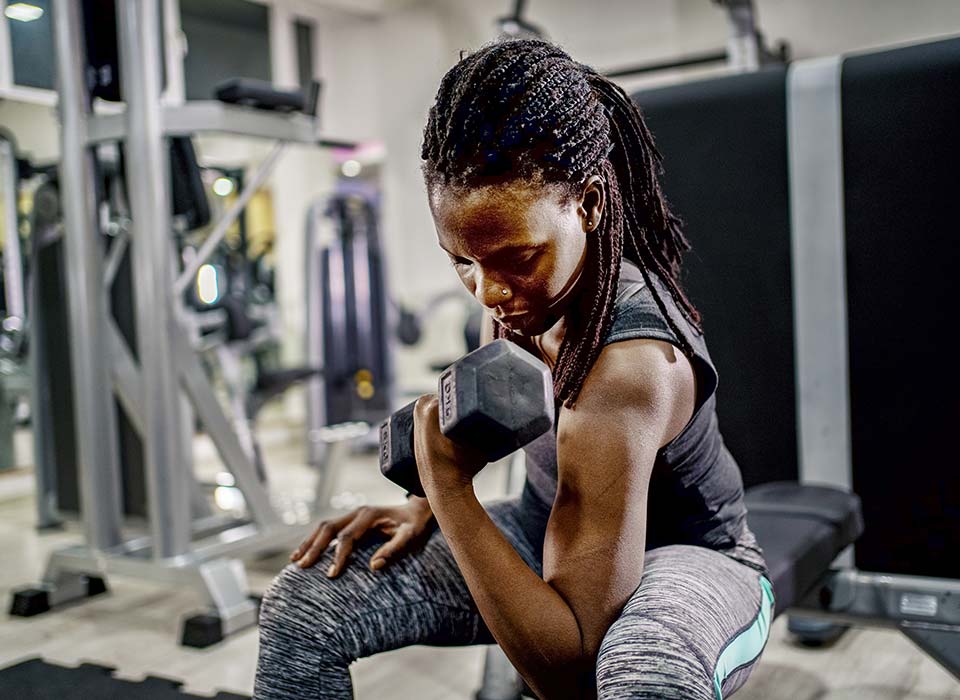
“Building or keeping muscle requires resistance,” says Wong. That could mean weights, resistance bands, or even bodyweight exercises like push-ups and squats.
“If you’re in a calorie deficit, you may not have the energy to lift heavy,” he says. “Instead, use lighter weights with more repetitions or focus on bodyweight circuits.”
Lynch trained 3–5 times a week, doing strength training, group classes, and HIIT. She chose longer, controlled sets with lighter weights to prevent fatigue and stay consistent.
If gyms aren’t your thing, you can still see results with home workouts. Try squats, lunges, planks, and resistance bands. Yoga and Pilates also help with muscle tone and control.
Step 3: Don’t Overdo Cardio

While cardio is great for heart health and burning calories, too much high-intensity cardio can lead to muscle breakdown, warns Wong. It’s also more likely to increase hunger, which could lead to overeating.
Instead of long runs or daily spin classes, Wong recommends moderate-intensity cardio like:
- Brisk walking
- Swimming
- Steady-paced cycling
- Gentle jogs
“These forms of cardio support fat loss and muscle retention without pushing your body into overdrive,” he says.
Step 4: Track Progress Beyond the Scale

Weight can fluctuate, and muscle is denser than fat, so the scale alone doesn’t tell the whole story.
Instead, Wong suggests tracking:
- Body measurements (waist, hips, etc.)
- Progress photos
- Body composition scans, if available
- Strength improvements (e.g., lifting heavier or doing more reps)
“A loss of 0.25–0.5kg (half a pound to a pound) per week is ideal,” he says. “Fast results are tempting, but slow and steady wins in sustainable fat loss.”
Sample Muscle-Preserving Meal Plan (Approx. 1,600 Calories & 150g Protein)
Breakfast

- 2 eggs, scrambled or boiled
- 150g low-fat cottage cheese
- 1 slice wholegrain toast
- 5 cherry tomatoes
Lunch
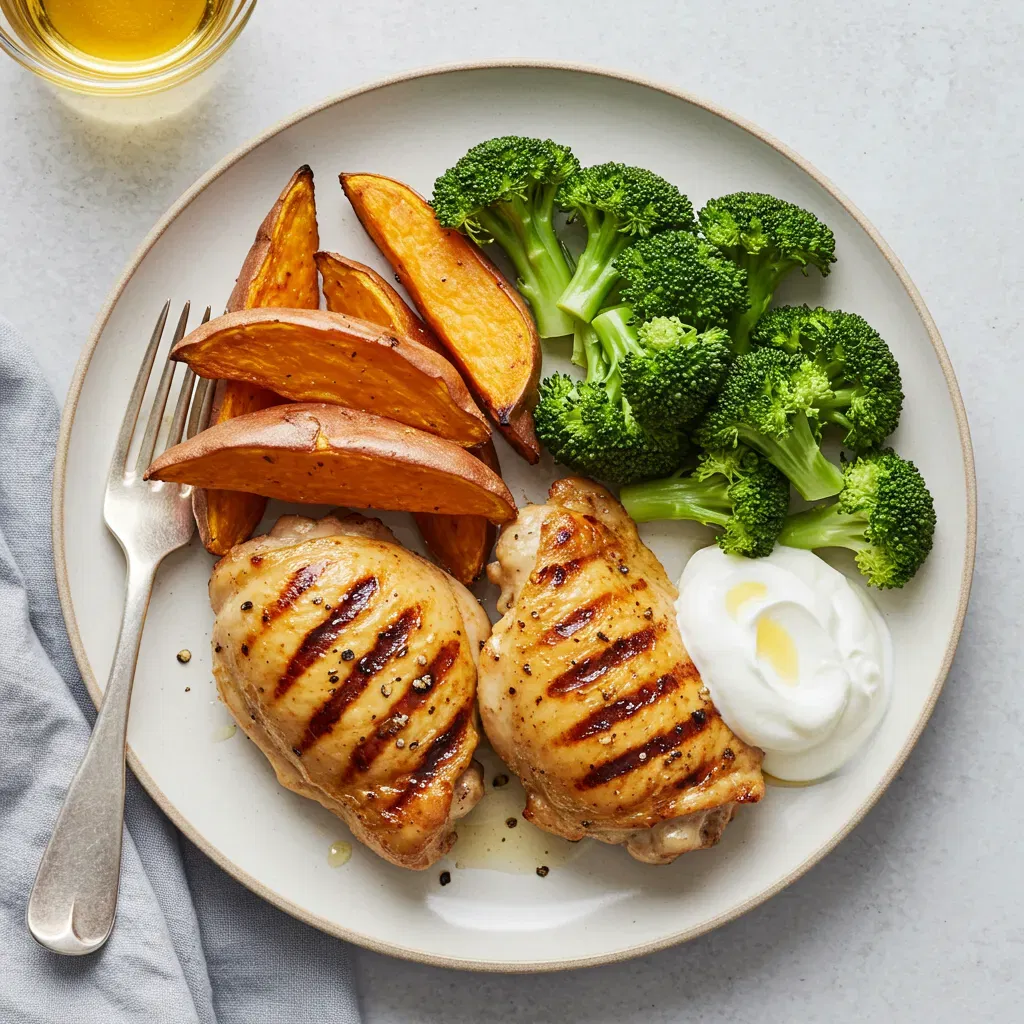
- 150g grilled chicken breast
- 150g boiled potatoes
- 100g steamed broccoli
Snack
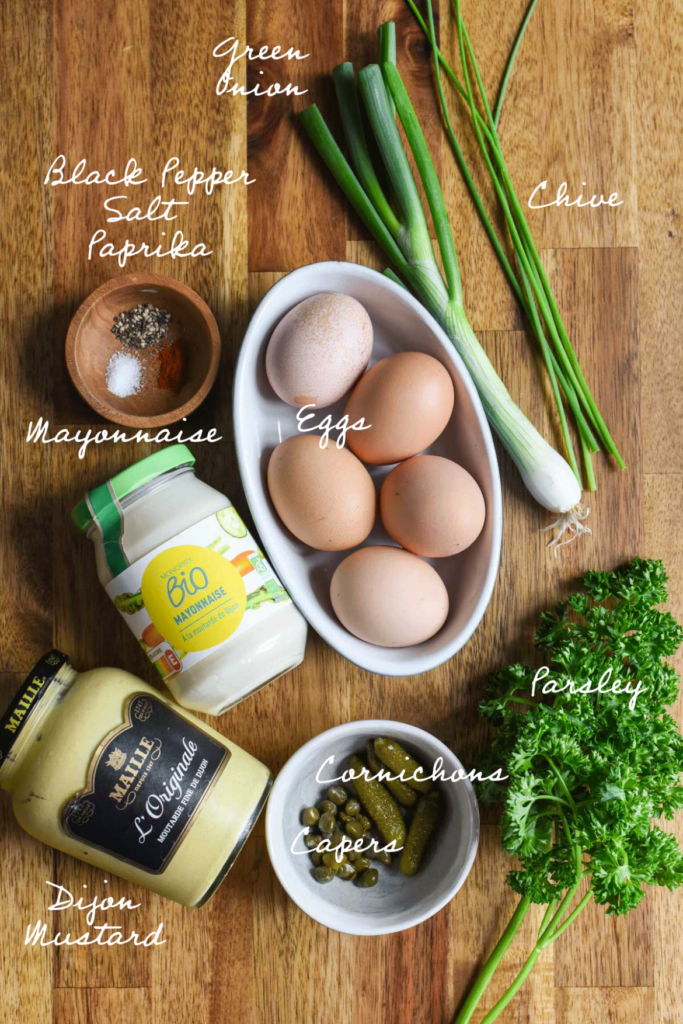
- 2 boiled eggs
- 100g cucumber sticks
- 1 tsp mustard or herbs
Dinner
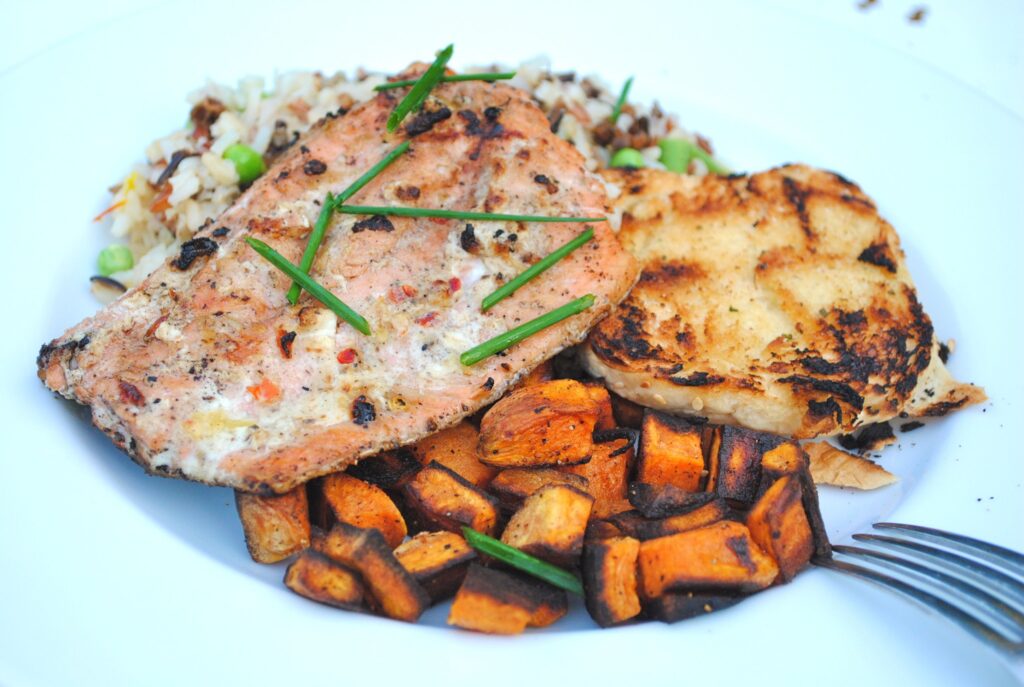
- 150g grilled salmon
- 150g roasted sweet potato
- 100g grilled courgette
- 1 tsp olive oil
Dessert
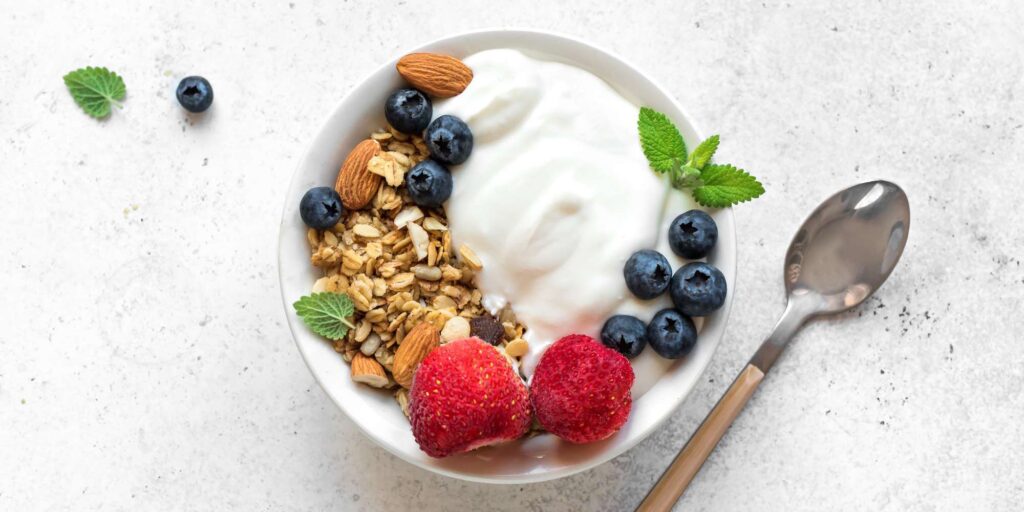
- 200g fat-free Greek yogurt
- 150g mixed berries
- 10g crushed walnuts
8 Simple Strength Moves to Keep While You Cut
You don’t need a gym to train your muscles. Try these:
- Good Mornings – Strengthens glutes and hamstrings
- Dumbbell Squats – Builds lower body power
- Static Lunges – Enhances balance and strength
- Push-Ups – Tones arms, shoulders, and core
- Side Planks – Targets obliques and improves posture
- Resistance Band Rows – Works the back
- Chair Dips – Tones triceps
- Wall Sits – Great for endurance and lower body tone
Final Thoughts: Fat Loss Without Muscle Loss Is 100% Possible
Whether you’re using medication, changing your eating habits, or increasing activity, the key to looking and feeling better is protecting your muscle mass.
That means:
- Eating enough protein
- Lifting (or moving) regularly
- Balancing your cardio
- Tracking your progress the smart way
Most of all, be patient. Real transformation takes time—but the payoff is strength, confidence, and long-term health.
Resources:
https://www.telegraph.co.uk/
https://knowledgenexuses.com/